Source Li Auto L7 for Family Transport, Fleet Use, and Urban Commuting
Explore 30 listings for the Li Auto L7, comparing electric and hybrid SUV options with varying specifications. Buyers can evaluate features like AWD, panoramic sunroofs, and battery types to find the right vehicle for family transport or fleet deployment; compare the available evidence and request quotations based on your requirements.
Key considerations
Products List




Comprehensive Sourcing Guide
Li Auto L7 Sourcing Guide
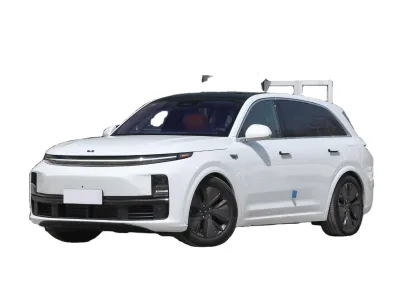
Procurement of the Li Auto L7 requires distinguishing between the specific 2025 Ultra model and the used 2024 variants observed in current listings. Buyers must verify whether the unit is a new electric vehicle with a 25-minute charge time or a hybrid configuration, as the product data indicates conflicting fuel types and drive systems across different inventory sources. This distinction is critical because the 2025 model features an all-wheel-drive system with a 1000-1600CC displacement range, while other listings suggest rear-drive or single-speed transmission setups that may not align with the flagship specifications.
Sourcing decisions should also account for the significant variance in observed product attributes, such as the reported service life of 1-3 years versus the condition listed as new. Buyers need to confirm if the vehicle is intended for family use with a panoramic sunroof and 360-degree camera, or if the listing refers to a different body type with a 60V voltage system. Clarifying these discrepancies before negotiation ensures that the procurement team targets the correct vehicle generation and avoids confusion between the L7 Ultra and other Lixiang models like the L8 or L9.
Product Scope and Observed Listing Signals
The market signals for the Li Auto L7 reveal a complex inventory mix where exterior colors are predominantly blue, yet the body style is consistently identified as an SUV with a closed body type. Procurement teams must scrutinize the listed dimensions of 505019951750mm against the wheelbase of 1725mm, as these measurements appear in multiple conflicting specifications for both new and used units. This inconsistency suggests that some listings may be aggregating data from different model years or trim levels, requiring buyers to request physical verification of the curb weight, which is listed at 2450kg in some records but may vary in others.
Buyers should also evaluate the customization availability and the specific packing requirements, which range from container shipping to no specific packing instructions. The observed price range of 1 to 75,980 USD indicates a wide disparity that likely reflects differences between new, used, and potentially non-road-legal units. Since the road conditions are listed as standard road use, purchasers must ensure the vehicle is not a specialized off-road or industrial variant that lacks the necessary features for typical family transportation. Verifying the exact model year and production status is essential to align the purchase with the intended operational scope.
Technical Specifications to Verify
Technical due diligence must focus on the powertrain configuration, as the data presents both electric and hybrid fuel types alongside varying motor torque figures. Buyers need to confirm whether the vehicle utilizes a permanent magnet synchronous motor with a maximum torque of 620 N·M or a different setup with 310 N·M, as this directly impacts performance and efficiency. The WLTC range of 1185km is a critical specification for electric variants, yet the presence of a 1.0-1.6L displacement range suggests hybrid models that require different maintenance and fueling strategies.
Verification of the braking system is equally important, as listings cite both electromagnetic and hydraulic systems, which may indicate different model generations or regional specifications. The gearbox is described as automatic with a single-speed transmission for electric vehicles, but the drive mode varies between all-wheel drive and rear drive in the observed data. Procurement teams should request detailed technical sheets that explicitly state the battery type, such as ternary lithium, and the maximum speed of 180km/h to ensure the vehicle meets the specific performance requirements of the intended fleet or private use case.
Compliance and Safety Documentation
Compliance verification requires a rigorous check of the certification documents, as the observed data lists CE, EEC, DOT, CCC, and EPA standards simultaneously. Buyers must determine which specific certifications apply to the unit being purchased, as a vehicle intended for the European market may not possess the DOT or EPA approvals required for North American registration. The presence of the CE mark is common, but the validity of the EEC and EPA certifications depends heavily on the country of origin and the specific export destination of the vehicle.
Safety documentation should also address the vehicle's condition and service life, which are listed as new but with a service life of only 1-3 years in some records. This discrepancy raises questions about the vehicle's intended lifespan and the availability of long-term spare parts. Buyers should request proof of the 360-degree camera equipment and the panoramic sunroof installation to ensure these safety and comfort features are physically present and functional. Additionally, verifying the mileage of less than 10,000 km is essential for used units to confirm they have not exceeded the expected usage limits for their age.
Cost Drivers and Commercial Terms
Cost drivers for the Li Auto L7 are heavily influenced by the model year, condition, and the specific powertrain configuration selected. The wide price range observed suggests that buyers must carefully evaluate whether they are purchasing a high-end 2025 Ultra model with advanced features or a used 2024 unit with a shorter remaining service life. The inclusion of customization options and the specific packing requirements, such as container shipping, can significantly impact the final landed cost and should be factored into the total budget calculation.
Commercial terms must clearly define the minimum order quantity, which appears to be flexible with an MOQ of 1, allowing for single-unit purchases. However, the lead time and delivery conditions are not explicitly stated in the provided data, requiring buyers to negotiate these terms directly with the supplier. Payment terms should be structured to protect against the risk of receiving a vehicle that does not match the technical specifications, particularly regarding the drive system and battery type. Clear agreements on the return policy and warranty coverage are necessary given the conflicting service life data observed in the listings.
Supplier Qualification and Quality Control
Supplier qualification should prioritize vendors who can provide transparent documentation regarding the vehicle's origin in China and the specific model year. Buyers must verify that the supplier can distinguish between the 2025 Li Auto L7 Ultra and the used 2024 models, as the technical specifications and compliance requirements differ significantly between these two categories. A qualified supplier should be able to provide a detailed inspection report that confirms the exterior color, body style, and the exact configuration of the braking and drive systems.
Quality control protocols must include a physical inspection of the vehicle to confirm the presence of the panoramic sunroof, 360-degree camera, and the correct wheelbase dimensions. Buyers should also verify the battery type and the maximum motor power to ensure the vehicle matches the advertised specifications. Given the conflicting data on the service life and condition, a third-party inspection is recommended to validate the vehicle's actual state before finalizing the transaction. This step helps mitigate the risk of receiving a unit that does not meet the operational requirements or safety standards of the buyer.
Long-Term Procurement Checks
Long-term procurement checks should focus on the availability of spare parts and the consistency of the service life expectations for the Li Auto L7. Buyers need to establish a clear understanding of the 1-3 year service life claim and how it aligns with the vehicle's actual durability and maintenance requirements. This is particularly important for fleet operators who rely on consistent vehicle performance and minimal downtime over an extended period. Ensuring that the supplier can support the vehicle beyond the initial warranty period is a critical factor in the total cost of ownership.
Buyers should also monitor the evolution of the vehicle's technical specifications, as the market data shows significant variations in motor torque, drive modes, and fuel types. Regular audits of the supplier's inventory and product updates are necessary to ensure that the procured vehicles remain compliant with changing regulations and standards. Establishing a long-term relationship with a supplier who can provide consistent quality and accurate technical data will help mitigate the risks associated with the observed inconsistencies in the product listings. This proactive approach ensures that the procurement strategy remains robust and adaptable to future market changes.
FAQs
What is the WLTC range for the 2025 Li Auto L7 Ultra?
The 2025 Li Auto L7 Ultra offers a WLTC range of 1185km. This extended range supports long-distance travel without frequent charging stops. The vehicle combines electric efficiency with hybrid capabilities to ensure reliable performance across various driving conditions and distances.
Can the Li Auto L7 be customized for specific buyer needs?
Yes, customization is available for the Li Auto L7. Buyers can request specific configurations to match their operational requirements. This flexibility allows for tailored solutions in fleet management or personal use, ensuring the vehicle meets precise functional and aesthetic preferences.
What is the maximum motor torque for the Li Auto L7?
The maximum motor torque for the Li Auto L7 is 620nm. This high torque output ensures strong acceleration and responsive handling. It supports the vehicle's performance capabilities, making it suitable for both urban commuting and highway driving with ease and stability.
What certifications does the Li Auto L7 hold for international markets?
The Li Auto L7 holds CE, EEC, DOT, CCC, and EPA certifications. These credentials verify compliance with various international safety and environmental standards. Such certifications facilitate global trade and ensure the vehicle meets regulatory requirements in multiple key markets for automotive imports.
What is the curb weight of the Li Auto L7?
The curb weight of the Li Auto L7 is 2450kg. This weight reflects the substantial build quality and battery capacity of the SUV. It contributes to vehicle stability and safety, providing a robust platform for family use while maintaining efficient energy consumption during operation.
What is the charge time for the Li Auto L7?
The charge time for the Li Auto L7 is 25 minutes. This rapid charging capability minimizes downtime during long journeys. It allows drivers to quickly replenish energy levels, enhancing convenience and efficiency for daily commutes or extended trips without significant waiting periods.